Assess Frost, Defrost and Temperature Problems in a Walk-In Freezer
A walk-in freezer operates below freezing and can develop different door, moisture, defrost and floor concerns from a cooler. Golden Gate Refrigeration discusses commercial freezer repair requests in the Bay Area and Greater Sacramento after the equipment, site conditions and current availability are confirmed.
What does the frost pattern tell the service team?
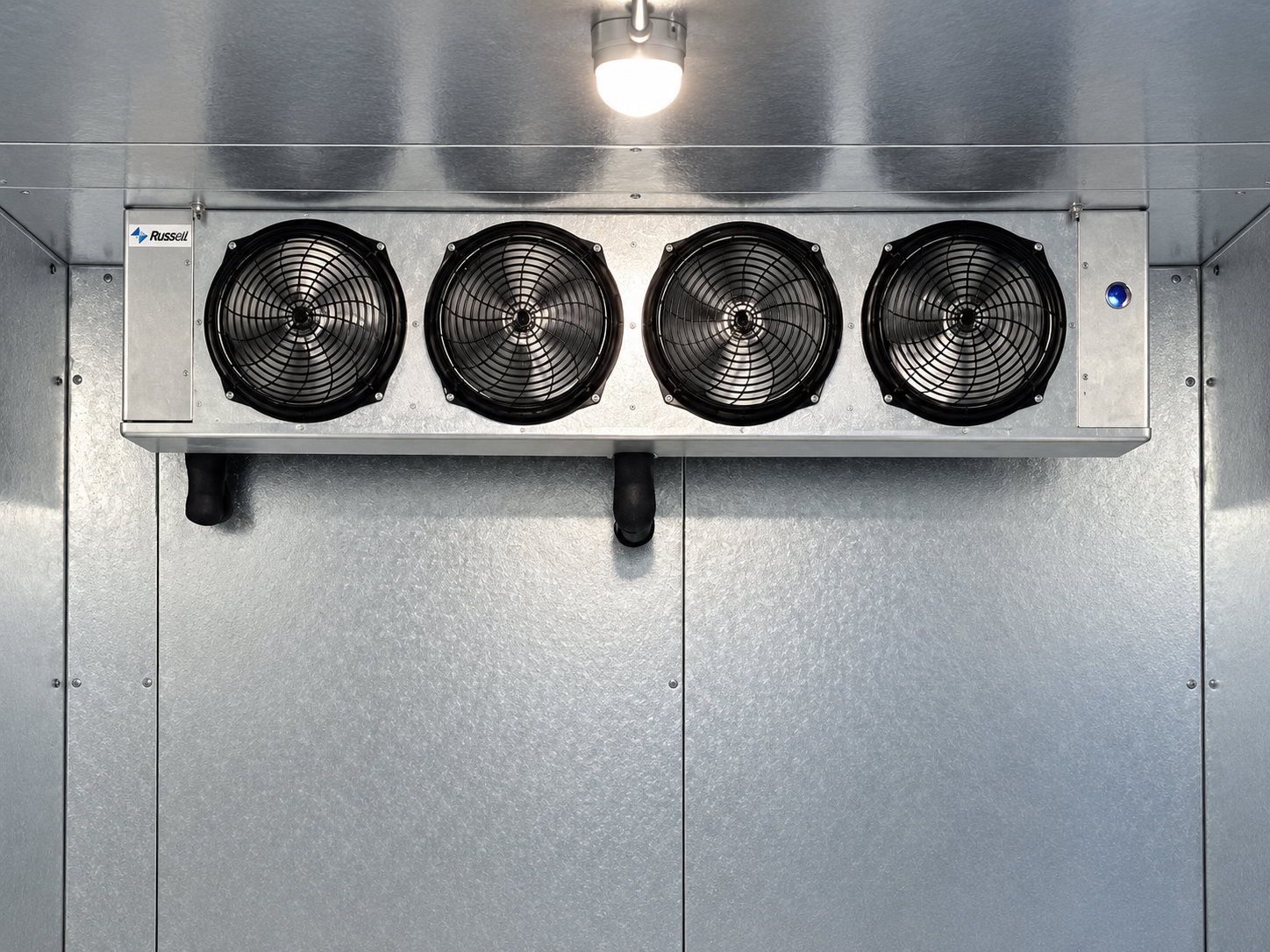
Record where frost or ice appears: around the door, on the evaporator, near a drain or across stored products. A pattern can help organize the assessment, but it does not by itself prove a defrost, refrigerant or door-heater failure. Do not chip ice near coils, wiring or refrigerant components.
How are defrost and low-temperature faults assessed?
Depending on the equipment, an assessment may include the defrost schedule and components, evaporator fans, drainage, door heat, controls, airflow and refrigeration-system operation. Share alarm history and earlier repairs. A freezer that returns to temperature after a reset may still require diagnosis if the condition repeats.
Why do access and floor conditions matter?
Ice at an entrance or on a floor can create a slip hazard and may indicate moisture entry, drainage trouble or another condition requiring attention. Restrict unsafe access and follow the facility's safety procedure. Explain door traffic, loading periods and any recent damage to the enclosure or threshold.
Prepare the walk-in freezer fault record
- Freezer temperature, alarms and time of the change
- Exact frost, ice or water locations
- Door, heater, threshold and floor observations
- Defrost history, fan operation and equipment identification
Questions about walk-in freezer repair
Should staff remove ice from a freezer evaporator with tools or heat?
No. Improvised tools or heat can damage coils, wiring and other components or create a safety risk. Restrict unsafe access and arrange an appropriate assessment.
Does heavy frost always mean the freezer needs refrigerant?
No. Frost can involve moisture entry, door condition, airflow, defrost or other faults. Refrigerant work should follow diagnosis rather than an assumption based on frost alone.
Can the freezer be considered safe for products once it reaches setpoint again?
Not automatically. Product decisions depend on time, temperature and the operator's food-safety plan. Restored equipment temperature does not determine the history of affected inventory.
Published city service pages
Use the city page for location-specific scope, equipment details and current contact information. A city page describes service coverage, not a separate branch office.
Continue planning your equipment service
Document the freezer fault before conditions change
Share temperature records, frost locations, alarm history and safe-access details.