Walk-In Cooler and Freezer Maintenance Checklist
Walk-in coolers and freezers depend on routine attention to stay efficient and reliable. This checklist covers the key maintenance points business owners and property managers should watch.
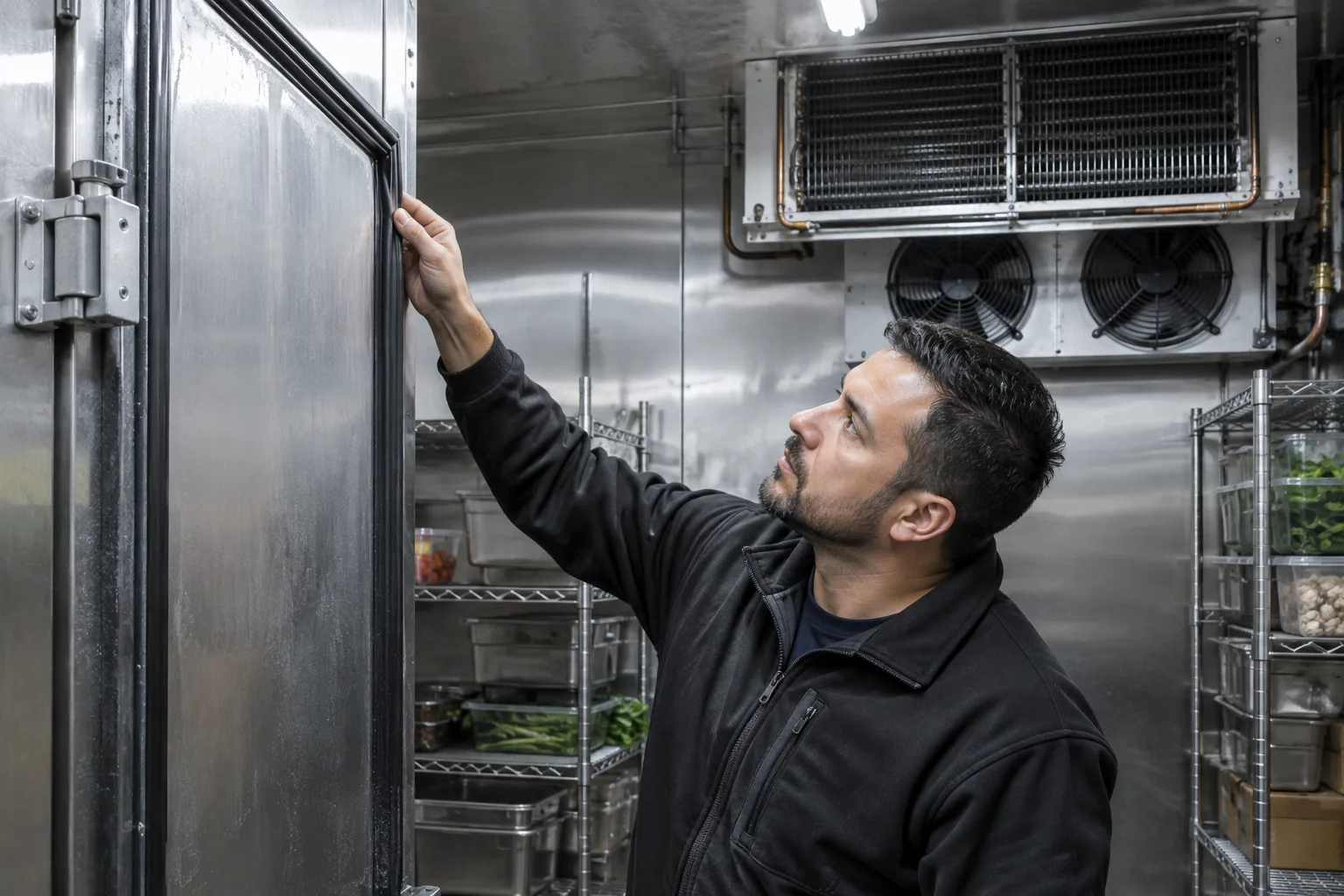
Maintain Walk-Ins Effectively
Walk-in coolers and freezers are central to food safety, inventory protection, and daily operations in restaurants, supermarkets, and other commercial properties. A preventive maintenance routine helps keep temperatures stable, supports energy efficiency, and reduces the chance that small issues become larger equipment problems.
This checklist focuses on the parts of a walk-in system that most often need attention: door seals, coils, airflow, drainage, and temperature performance. It is written for commercial refrigeration use and can also help teams identify when a service visit may be needed.
What To Check First
When a walk-in starts acting differently, begin with simple visual and operational checks. Look for frost buildup, water around the unit, damaged door gaskets, unusual noises, and warm or uneven product temperatures.
Also confirm that doors close fully, strip curtains or other barriers are intact if installed, and stored goods are not blocking airflow around the evaporator. These checks do not replace professional service, but they can help narrow down the source of a problem.
Where Walk-Ins Often Fail
Preventive maintenance gaps often show up in a few predictable places. Dirt on coils can reduce heat transfer. Worn gaskets can let warm air leak into the box. Poor airflow can create hot spots or uneven freezing. Blocked drains can lead to standing water, ice buildup, or recurring moisture issues.
For businesses that depend on steady refrigeration, these concerns matter because a walk-in rarely fails all at once. More often, performance declines over time when small issues are not caught early.
Typical Wear Points
Several components deserve regular inspection during walk-in cooler maintenance and walk-in freezer maintenance:
- Door gaskets and hinges that affect sealing and closing
- Evaporator coils that can collect dust, grease, or frost
- Condensing unit components that may be affected by dirt or restricted airflow
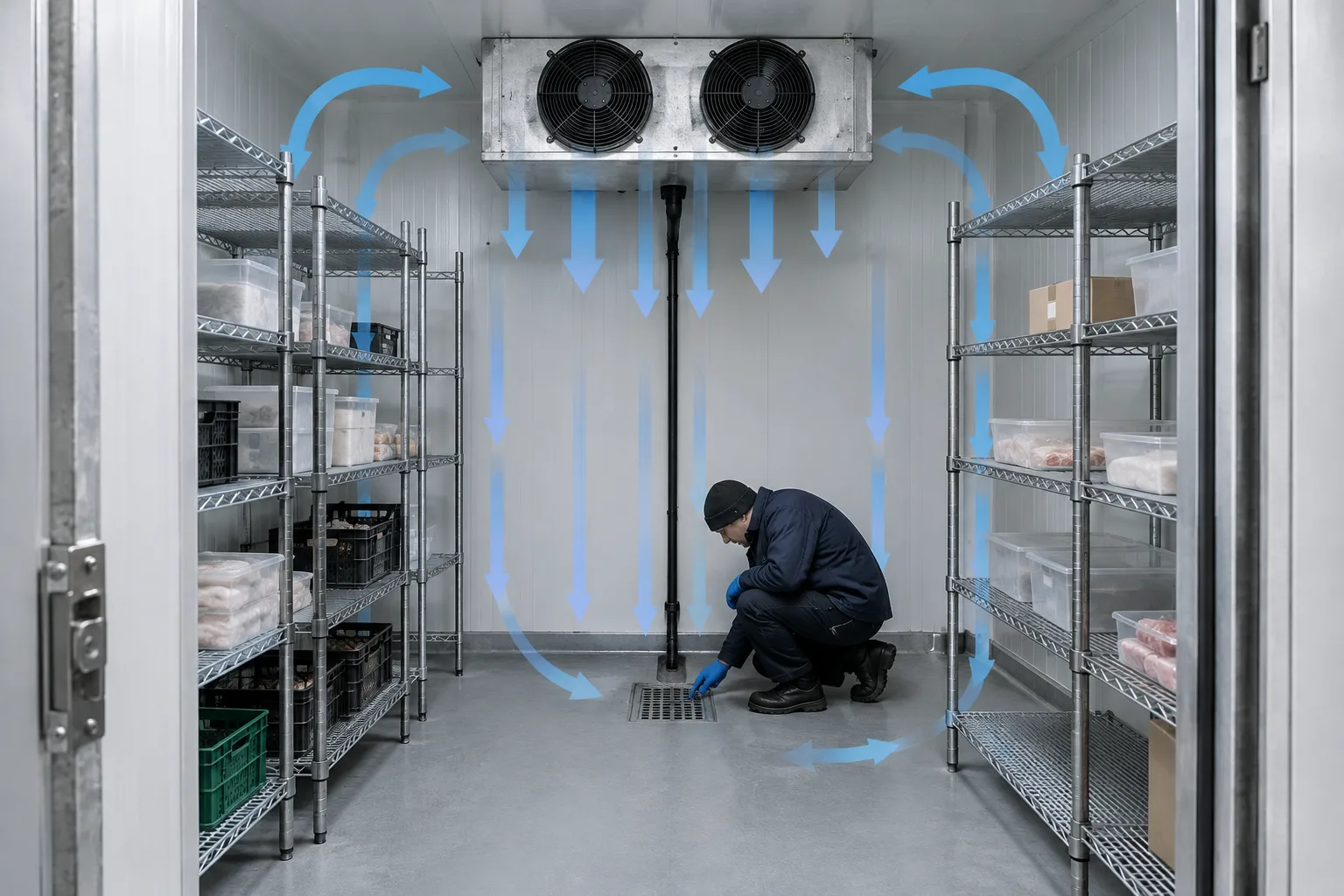
- Drain lines and pans that can clog or freeze
- Fans and air pathways that help distribute cooled air
These parts do not always fail visibly. A routine inspection is often the best way to spot early wear before it affects performance.
Performance Problems To Watch
Common signs of poor maintenance include temperature swings, longer run times, excess frosting, slow recovery after door openings, and moisture where it should not be present. In freezer applications, ice buildup around doors, floors, or drains can also indicate airflow or sealing issues.
If product temperatures are becoming harder to control, the problem may involve more than one component. For example, a weak gasket and a dirty coil can work together to reduce system efficiency.
Why Small Issues Matter
Even modest walk-in problems can affect a business in practical ways. Temperature instability can place inventory at risk, create more labor for staff, and increase the likelihood of emergency service needs. Restricted airflow and dirty coils can also make refrigeration equipment work harder than necessary.
For restaurants, food-service operations, and commercial properties with cold storage, preventive maintenance is part of protecting product quality and daily uptime.
Inspection Steps For Walk-Ins
A basic maintenance check can include the following steps:
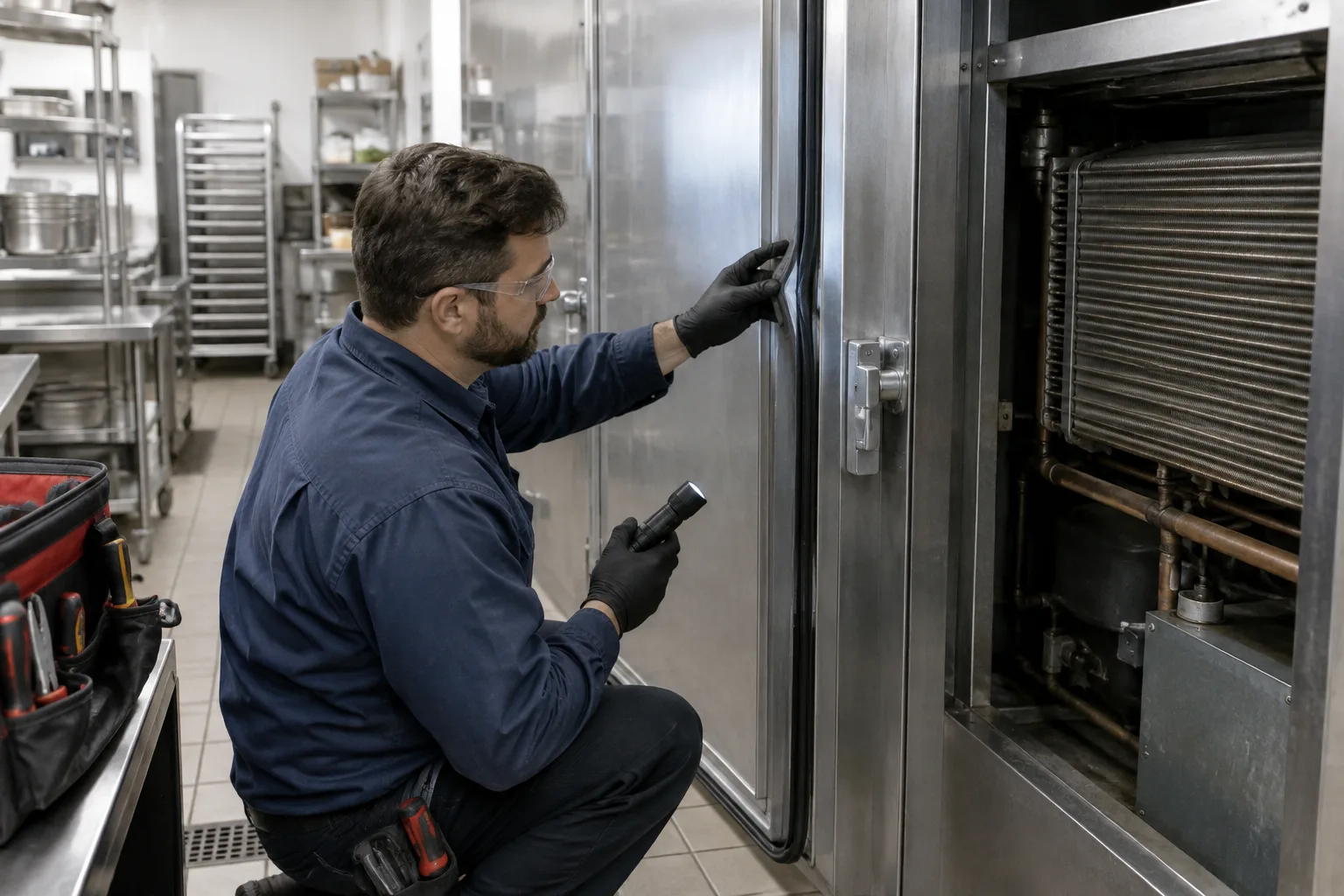
- Inspect the door seal, hinges, and latch for obvious wear or gaps
- Verify that the door closes and seals properly
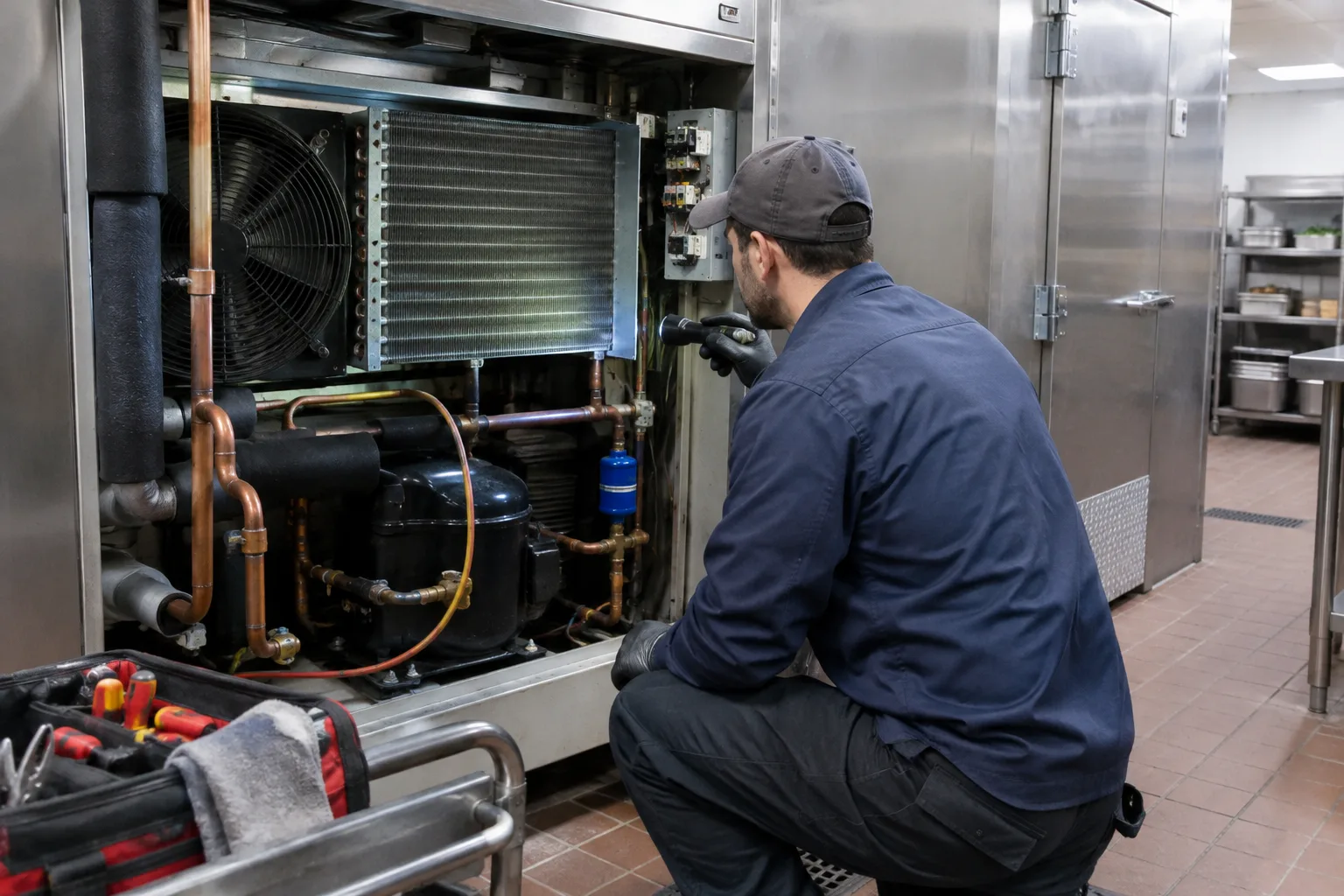
- Look for dirt, debris, or frost on evaporator and condensing components
- Check that drains are clear and not backing up
- Confirm that air can circulate freely inside the box
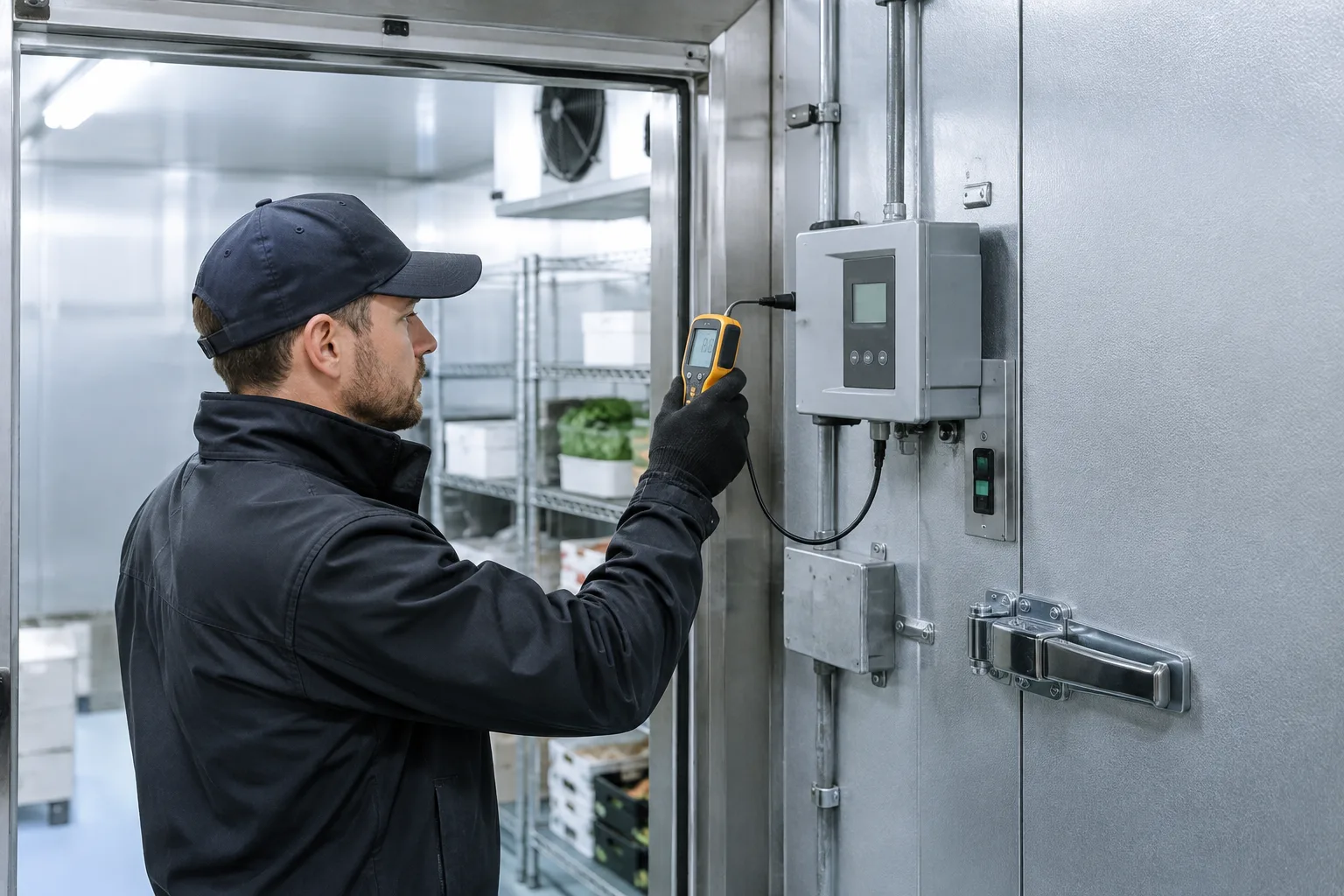
- Review temperature readings for stability and consistency
If a system shows repeated frosting, uneven temperatures, or visible leakage, a professional commercial refrigeration assessment may be appropriate.
Frequent Upkeep Mistakes
One common mistake is focusing only on visible frost or temperature complaints while overlooking the parts that cause them. A walk-in can seem to be cooling normally while dirty coils, weakened gaskets, or blocked airflow are slowly reducing performance.
Another frequent issue is letting boxes become overpacked. When product is placed too close to evaporators or walls, airflow can be restricted and temperature recovery can slow down after the door opens. Skipping routine drain checks is also a problem, especially in freezers where moisture can turn into ice buildup.
Businesses sometimes wait until there is obvious spoilage or a major temperature swing before scheduling service. Preventive maintenance is more effective when it is based on routine inspection rather than reacting to a breakdown.
Walk-In Maintenance Checklist
A practical maintenance routine should cover both cleaning and inspection. Keep the condenser and evaporator areas clear so the equipment can exchange heat properly. Check that door gaskets seat evenly, hinges and latches work smoothly, and the door closes without visible gaps. Clear drain lines and pans so condensate can move away as designed.
Inspect fans, coils, and surrounding air paths for dirt, grease, frost, or obstructions. Review thermostat or controller readings and compare them with actual box conditions. For businesses using walk-ins as part of food storage or prep operations, consistent upkeep helps protect both product quality and operating efficiency.
What To Track Daily
Between service visits, daily checks should stay simple and consistent. Record box temperature, note whether the door seals tightly, and watch for water, ice, or unusual condensation around the entrance or floor. If the unit seems to run longer than usual, that can be a sign that airflow or sealing needs attention.
It also helps to note whether staff are leaving the door open longer than necessary or if items are blocking circulation inside the box. These observations can help identify patterns before they become equipment problems.
When Repairs Need Support
If temperatures remain unstable after basic housekeeping checks, or if frost, water, or warm spots keep returning, the equipment may need professional attention. Repeated gasket failure, ongoing drainage problems, fan issues, or coil contamination can be difficult to correct with routine in-house care alone.
Golden Gate Refrigeration provides commercial refrigeration repair, emergency refrigeration repair, walk-in cooler repair, and walk-in freezer repair for businesses in the San Francisco Bay Area and Greater Sacramento. If you need help evaluating a walk-in system or want to discuss preventive maintenance, call (415) 823-9890 or use the service-request form at https://www.goldengateref.com/.
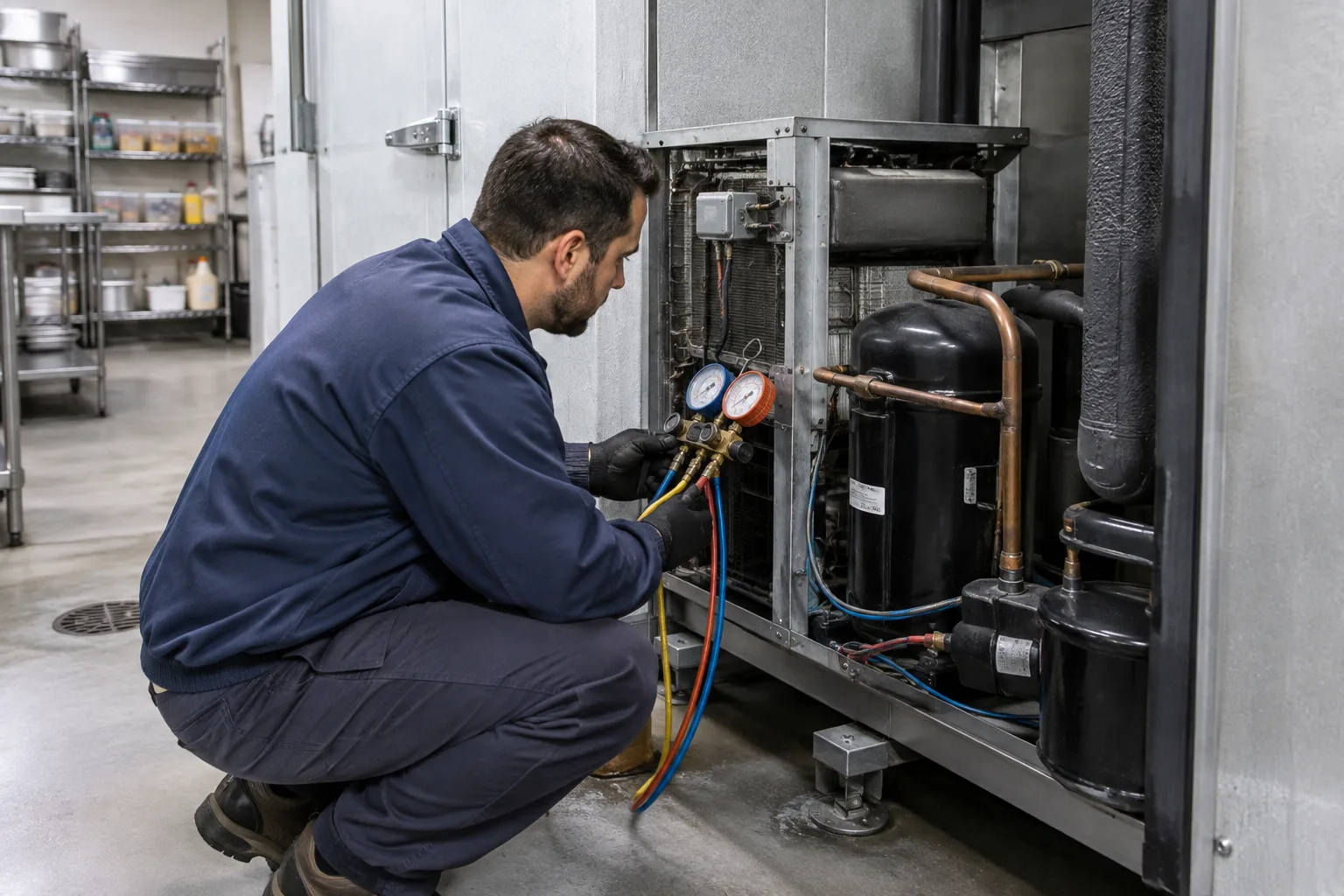
Safety boundary: Use this checklist for observation and recordkeeping only. Electrical testing, refrigerant work, control changes, and repairs should be completed by a qualified commercial refrigeration technician.
Walk-In Care Questions
Common questions about walk-in maintenance often come down to frequency, priorities, and warning signs. The answers below provide a practical starting point for commercial refrigeration teams.
How often should a walk-in cooler or freezer be inspected? The right schedule depends on how heavily the equipment is used, but the most useful approach is a routine inspection plan that includes daily checks by staff and periodic professional maintenance. High-use food-service operations usually need closer attention to seals, coils, drains, and temperature consistency.
What parts of a walk-in need the most attention? Door gaskets, hinges, latches, evaporator coils, drains, fans, and airflow paths are among the most important items to watch. These components directly affect sealing, circulation, moisture control, and temperature stability.
When should a business call for professional help? Professional help is a good idea when temperatures stay unstable, frost or moisture keeps returning, doors stop sealing correctly, or the system shows repeated airflow or drainage issues. Those symptoms can point to problems that are hard to solve with routine cleaning alone.
Protect Walk-In Performance
Walk-in cooler and freezer maintenance works best when it is consistent, documented, and tied to real operating conditions. A few routine checks can help reduce avoidable strain on the system and keep cold storage more dependable for daily business use.
To discuss your walk-in equipment or confirm service availability, contact Golden Gate Refrigeration at (415) 823-9890 or Info@goldengateref.com.