Why Commercial Refrigeration Maintenance Pays Off
Preventive maintenance can help commercial refrigeration systems run more reliably, reduce avoidable wear, and support day-to-day operations for food-service businesses.
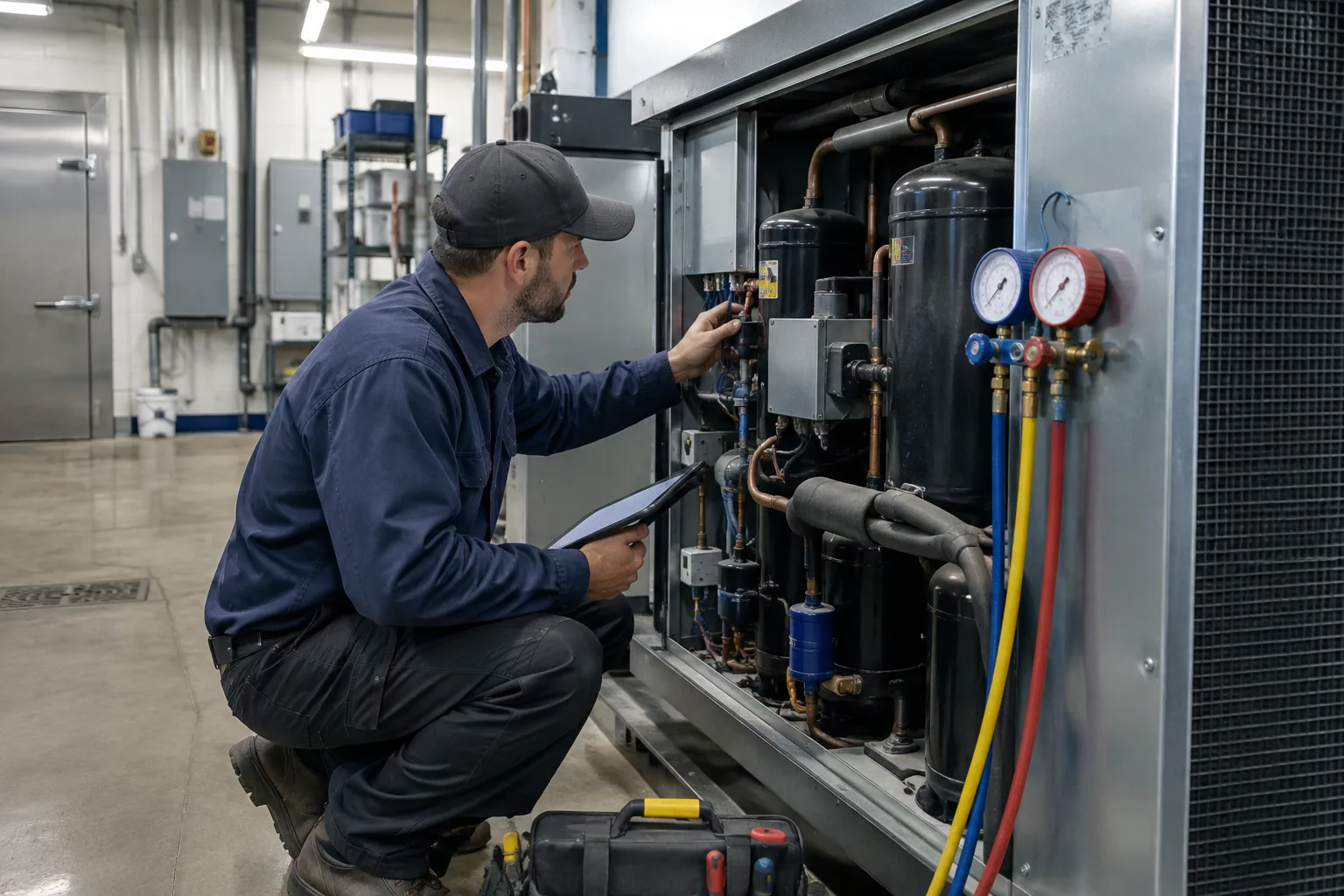
Why Maintenance Pays Off
For restaurants, supermarkets, and other food-service businesses, commercial refrigeration is more than support equipment. It helps protect inventory, maintain food quality, and keep daily operations moving. Preventive maintenance is a practical way to manage that equipment before small issues become larger problems.
Well-timed service can help reduce unnecessary wear, support stable temperatures, and limit the risk of avoidable downtime. It can also make it easier to spot performance changes early, when they are often simpler to address. For businesses comparing maintenance against reactive repair, the decision usually comes down to operational risk, not just short-term cost.
Signs Costs May Be Rising
Many refrigeration problems begin with changes that are easy to overlook. A box that runs longer than usual, a system that struggles to hold setpoint, or components that seem to need repeated attention may all point to maintenance gaps.
Business owners and property managers should pay attention when equipment starts showing patterns instead of isolated events. Those patterns can suggest that dirt buildup, worn parts, airflow issues, or refrigeration system inefficiencies are starting to affect performance.
Where Neglect Hurts Operations
Skipped maintenance can affect both equipment condition and business workflow. Dirty coils, blocked airflow, loose components, and neglected controls can all place extra strain on a refrigeration system. Over time, that strain may increase the chance of service disruptions.
When refrigeration is not operating as intended, staff may spend more time checking product temperatures, moving inventory, or dealing with last-minute changes. In food-service settings, even short interruptions can complicate scheduling, storage, and preparation.
What Drives Higher Operating Costs
Higher operating costs often come from a combination of small inefficiencies rather than one dramatic failure. For example, restricted heat transfer, dirty fan surfaces, or incorrect settings can make equipment work harder than necessary.
U.S. Department of Energy guidance on commercial refrigeration emphasizes efficiency and proper operation as part of responsible equipment management. That makes routine maintenance important not only for reliability, but also for keeping the system closer to its intended performance range.
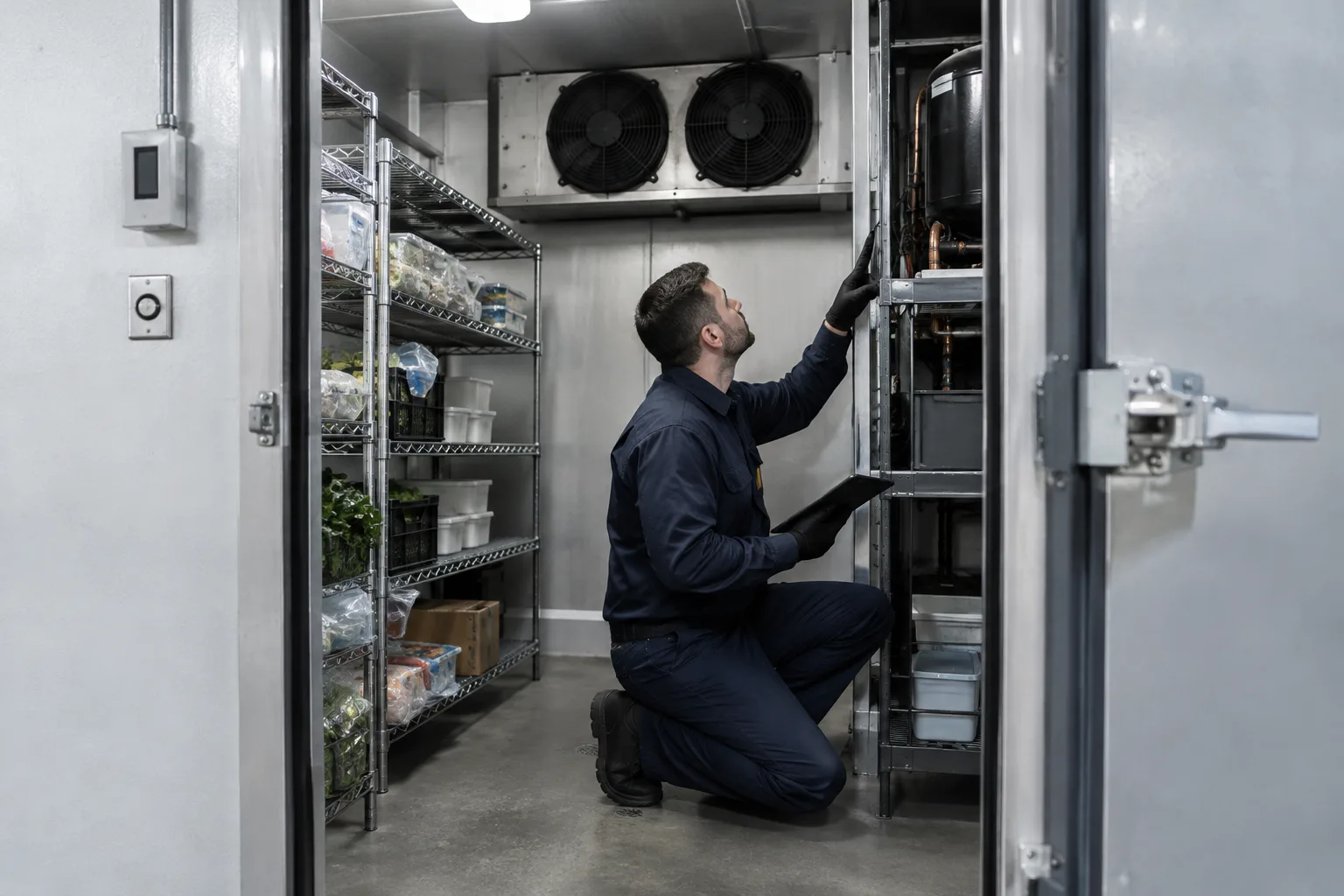
Signals Of Preventable Losses
Common warning signs of maintenance-related loss can include:
- Temperature swings inside coolers or freezers
- Longer or more frequent compressor cycles
- Excess frost or ice buildup
- Visible dirt on coils or around airflow paths
- Unusual noise, vibration, or repeated minor faults
- Product spoilage concerns that do not match normal demand
These signs do not identify one single cause on their own, but they do justify a closer look. Catching them early can help limit unnecessary stress on the system.
Benefits Beyond Repairs
The value of preventive maintenance is often measured in avoided disruption. For a business, a refrigeration system that operates more consistently can support inventory protection, staff efficiency, and better planning.
Maintenance may also help extend the useful life of equipment by reducing wear from dirty components, poor airflow, and avoidable mechanical strain. While results vary by system and operating conditions, the general principle is straightforward: equipment that is cared for routinely is often easier to manage than equipment that is only addressed after it fails.
How To Evaluate Maintenance Value
A useful way to evaluate maintenance value is to compare service history with operating performance. Look at how often equipment needs corrective work, how frequently temperatures drift, and whether certain components keep requiring attention.
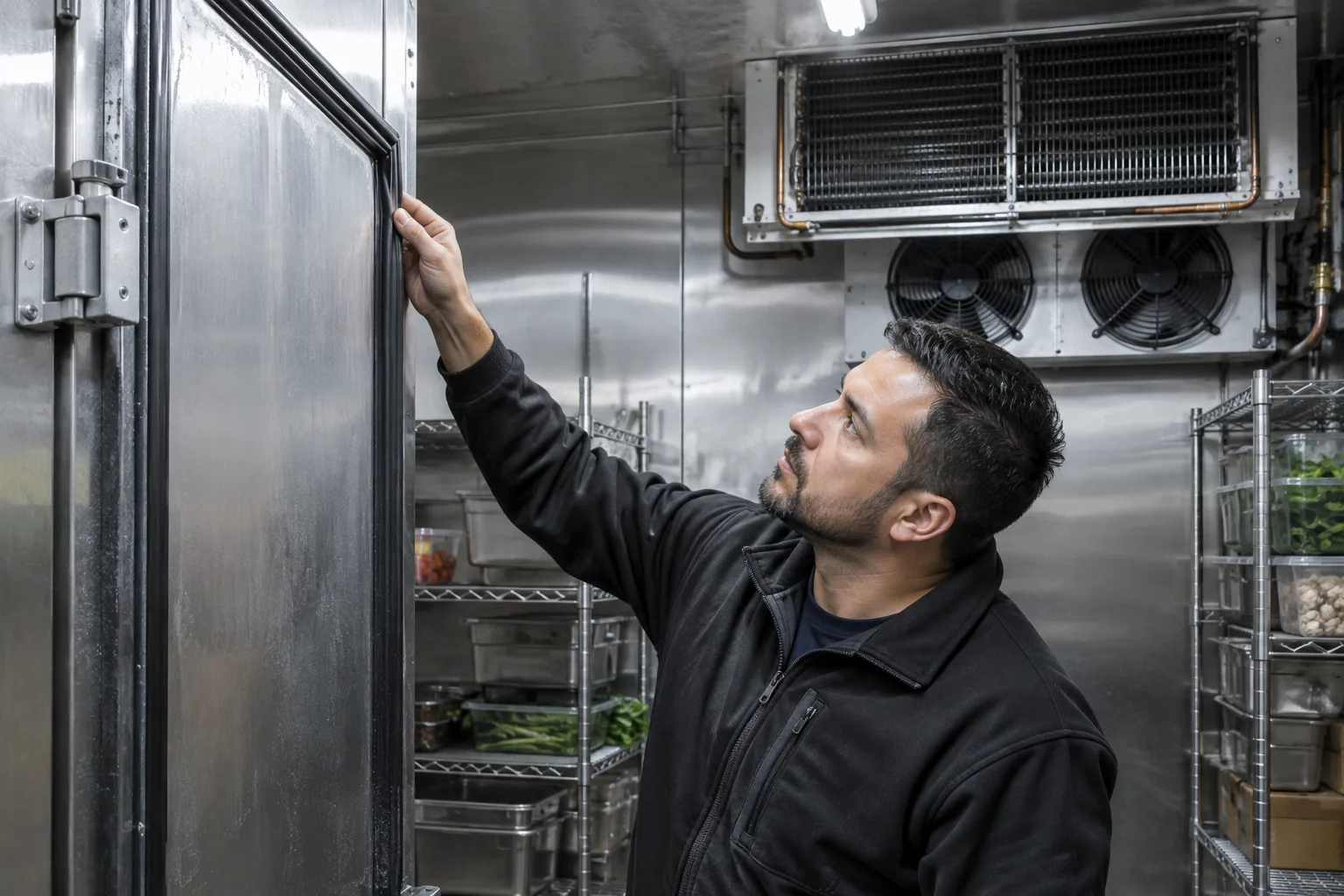
It also helps to review cleaning schedules, filter changes where applicable, door seal condition, and inspection records. If the system has become less stable over time, that can indicate the current maintenance routine is not matching the equipment’s needs.
Costly Missteps To Avoid
One common mistake is treating refrigeration upkeep as something to handle only after a breakdown. That approach can leave small issues in place long enough to affect temperature stability, product protection, and system wear.
Another mistake is skipping basic records. If service history is scattered or incomplete, it becomes harder to see whether the same problem keeps returning. Businesses can also lose value when they overlook routine checks on airflow, seals, coils, and controls, because those items often influence how hard the equipment has to work.
Maintenance planning should also account for the equipment’s workload. A system serving a busy kitchen, retail display, or storage area may need closer attention than a lightly used unit. Matching the schedule to real operating conditions is usually more practical than relying on a one-size-fits-all routine.
High-Value Maintenance Priorities
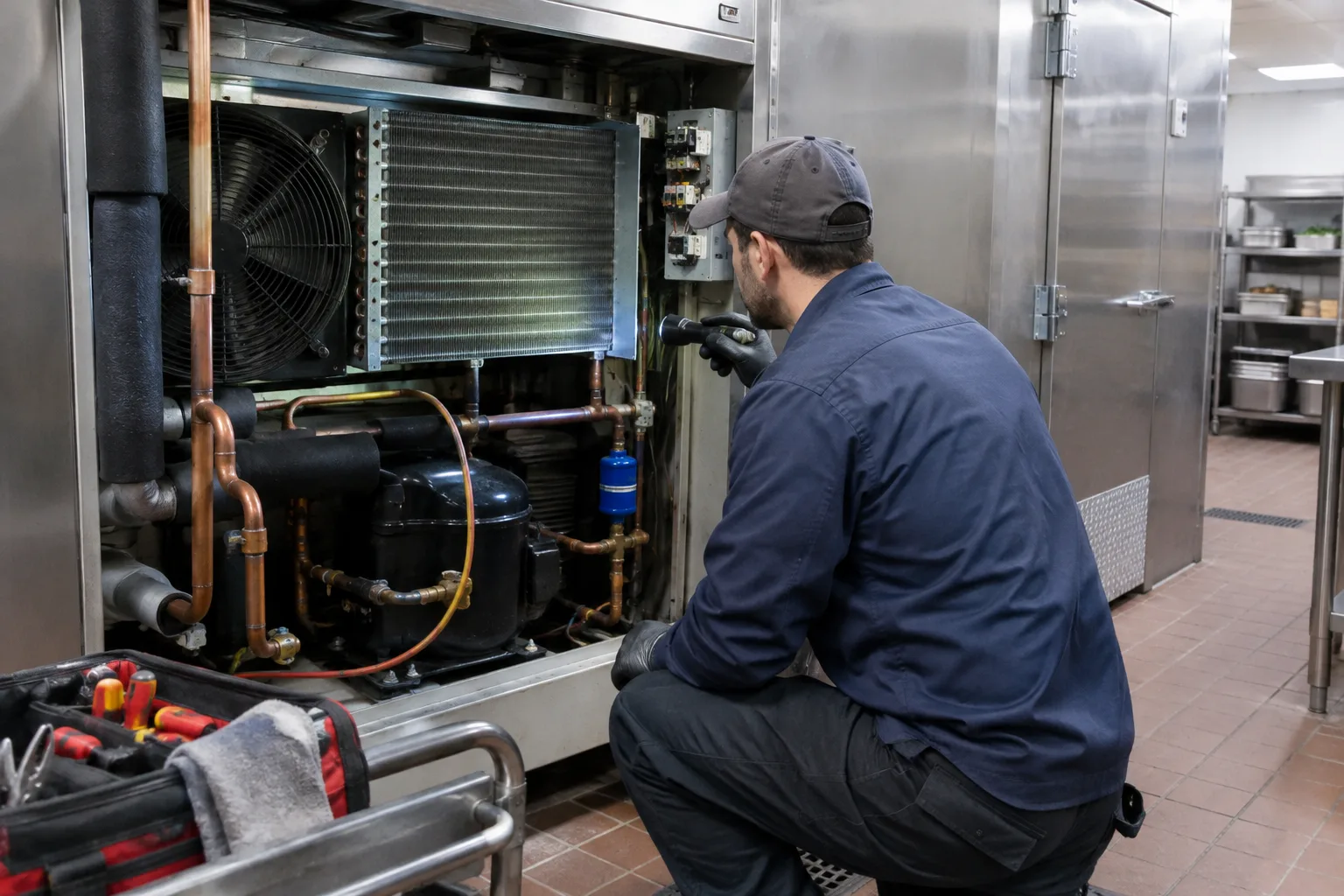
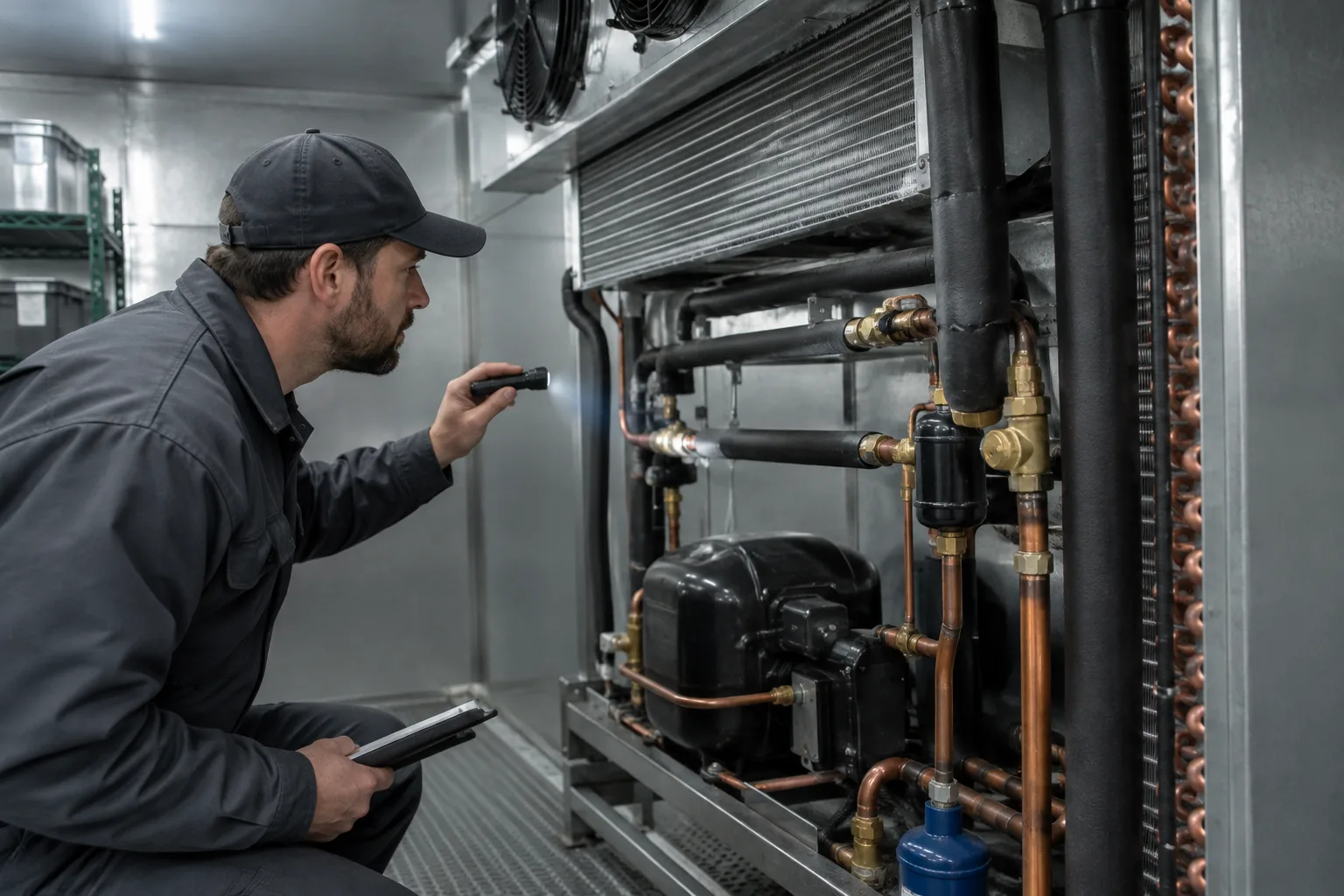
The most useful preventive tasks are usually the ones that support airflow, heat exchange, and accurate operation. For many commercial refrigeration systems, that means keeping coils clean, checking door gaskets and seals, confirming fans and drains are functioning properly, and verifying that controls are set correctly for the application.
It is also important to review the surrounding space. Poor clearance, blocked vents, or heat-producing equipment nearby can make a refrigeration system work harder than necessary. In some facilities, commercial HVAC conditions can also affect refrigeration performance, especially when ambient temperatures or airflow conditions are not stable.
Businesses do not need to diagnose every issue themselves. The practical goal is to make sure routine care addresses the parts of the system most likely to affect reliability and operating cost.
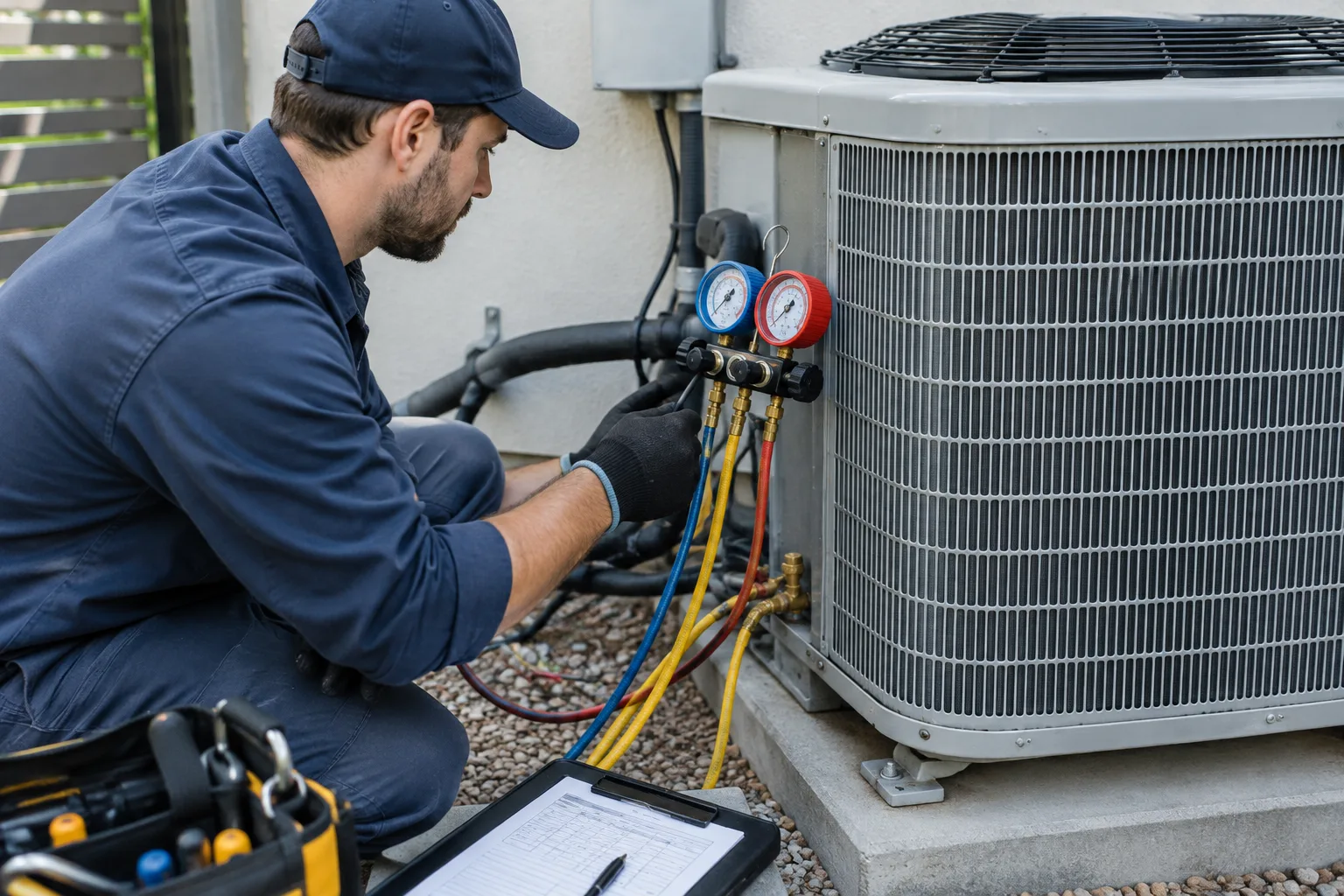
Metrics Worth Watching
Simple tracking can reveal whether maintenance is helping. Useful indicators include temperature consistency, the frequency of service calls, the amount of frost or ice buildup, and whether equipment is cycling more often than expected.
It also helps to note product complaints, staff workarounds, and any repeated adjustments to the same unit. If the pattern is getting worse over time, that is often a sign the system needs a more thorough evaluation rather than another short-term fix.
For businesses managing multiple units, comparing similar equipment side by side can be especially helpful. A unit that behaves differently from the others may be showing early signs of trouble even before a failure occurs.
When To Call For Service
Professional evaluation makes sense when a refrigeration system is no longer operating consistently, when temperatures drift, or when signs of wear keep returning after routine care. Repeated noise, heavy frost, and unexplained cycling changes are also worth attention.
Golden Gate Refrigeration provides commercial refrigeration repair, emergency refrigeration repair, walk-in cooler repair, walk-in freezer repair, and commercial HVAC service for businesses in the San Francisco Bay Area and Greater Sacramento. Business owners and property managers can call Golden Gate Refrigeration or submit the website service-request form to discuss equipment concerns and confirm availability.
For related service information, you can also review Commercial Refrigeration Repair in South San Francisco and Walk-In Freezer Repair in Daly City.
Maintenance Cost Questions
How often should commercial refrigeration maintenance happen?
It depends on the equipment type, workload, and operating environment. Businesses with heavy use or demanding conditions may need more frequent checks than lightly used systems.
Does preventive maintenance eliminate the need for repairs?
No. Even well-maintained equipment can still need repairs. Preventive care is mainly intended to reduce avoidable wear and help problems get noticed earlier.
What is the biggest benefit of maintaining refrigeration equipment regularly?
The main benefit is usually better operational stability. That can support product protection, reduce disruption risk, and make equipment easier to manage over time.
Plan Smarter Maintenance
Preventive maintenance works best when it is planned before problems start repeating. For food-service businesses and commercial property managers, that can mean fewer surprises, better visibility into equipment condition, and a more manageable approach to ongoing refrigeration upkeep.
If you want to discuss service needs for a commercial refrigeration system or related commercial HVAC equipment, contact Golden Gate Refrigeration at (415) 823-9890 or email Info@goldengateref.com. You can also use the website service-request form to request a conversation about your equipment and confirm availability.
Research from the U.S. Department of Energy highlights the importance of efficiency and proper operation in commercial refrigeration, and ASHRAE resources provide technical context for refrigeration systems and safety considerations. Those references support a simple business case: routine care is a practical part of responsible equipment management.